Hot water system replacement in Lake Macquarie
Updated October 2026
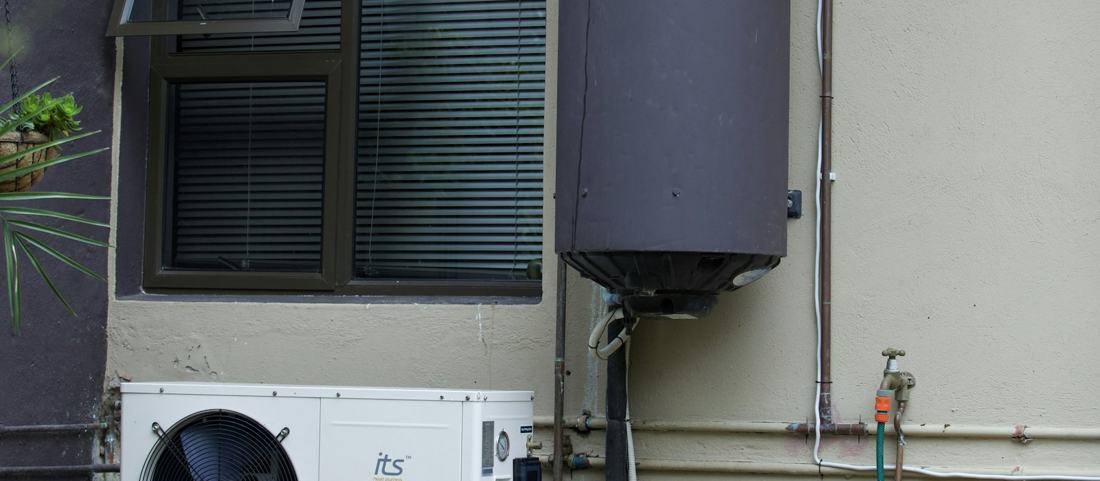
When a hot water system dies, it rarely gives much notice. One day the water runs lukewarm, the next there is a rusty puddle under the tank. Lake Macquarie Hot Water connects you with licensed hot water plumbers across the city who can quote a replacement quickly and, in many cases, do the work in the one visit. We are a local referral service, not a plumbing company. The licensed plumbers we work with handle the supply, removal and installation.
When replacement is the right call
The rule of thumb the plumbers we work with use is simple:
- Tank leaking from the cylinder itself: replace. Once the tank body corrodes through, there is no repair. Water around the base of the unit is the classic sign.
- Valve, element, thermostat or igniter fault: repair first. These parts fail long before the tank does. See our hot water repairs page.
- Over 10 years old and failing: lean towards replacing. Most storage tanks last 8 to 12 years. Spending hundreds repairing a tank near the end of its life usually just delays the inevitable by a season or two.
Rising energy bills are another reason people replace early. An old electric storage tank heating on full-rate power is one of the most expensive appliances in the house to run, and swapping it for a heat pump can cut that cost sharply.
Why this is a big replacement market
Lake Macquarie has a lot of housing from the decades when an electric storage tank was simply what you fitted. The eastern ridge, the Cardiff and Glendale corridor, the western mining villages and the older lakeside village cores are full of homes where the tank went in during the last renovation, which makes it the one on borrowed time now. A tank installed when the house was last done up is usually the one failing today, and that pattern is the honest reason replacement carries more weight here than in a region of new estates.
The newer estates are the exception that proves it. Cameron Park, Wyee and parts of Cooranbong were built from the 2000s onwards, so their systems are young and a fault is far more likely to be a part than a funeral.
Choosing the replacement system
Like-for-like is the fastest and cheapest swap, but it is worth a short conversation before you default to it. The main options:
- Electric storage: cheapest to buy and install, typically around $800 to $2,500 installed, but the dearest to run on full-rate tariffs.
- Gas storage or continuous flow: typically around $1,200 to $3,500 installed where natural gas is connected. Natural gas is not available everywhere in Lake Macquarie, so check availability at your address before you set your heart on it.
- Heat pump: typically $3,000 to $6,000 installed before scheme certificates. Federal and NSW certificates come off that figure, and the installer quotes the net price.
- Solar hot water: the highest upfront cost but very low running costs with good roof orientation.
These are typical Australian ranges, ex GST, not quotes. Your price depends on the system, access, and whether pipework or electrical work needs upgrading.
Sizing for your household
Getting the size right matters more than the brand. As a guide for storage systems: a 125L to 160L tank suits one to two people, 250L suits three to four, and 315L suits larger households, especially with teenagers. For continuous flow units, a 20L/min unit covers most two-bathroom homes and 26L/min suits bigger households running multiple showers at once. The plumber confirms sizing when quoting, based on bathrooms, people and usage patterns.
Your water supply, and where the old water goes
Hunter Water is the water and sewerage utility for Lake Macquarie, so the mains pressure at your property is part of the job rather than a detail. A plumber checks it before committing to a system, because a new installation has to meet the plumbing code at the outlets, which sometimes means fitting or replacing a pressure limiting valve, and always means a compliant tempering valve and relief valve arrangement.
The other practical question is where a few hundred litres of tank water goes when the old system comes out. Most of Lake Macquarie is connected to Hunter Water's sewer. On rural and acreage blocks some properties run an on-site system or a pump-out service instead, and in that case the water cannot simply be discharged into an on-site disposal area, so the plumber needs somewhere legal to put it. Flag it when you book and it is a non-issue.
Local factors that change the job
Lake Macquarie throws up a few of its own.
Salt is the first. The lake is salt water with a permanently open entrance at Swansea, and the ocean is on the other side of the Belmont peninsula and the eastern suburbs, so a lot of homes here are in salt air from two directions. Where the old unit sat exposed, it is worth asking the plumber to site the new one more sensibly and to price corrosion-resistant fittings. The cheapest replacement is the one you do not repeat in eight years.
Access is the second. Older fibro and weatherboard homes on the ridge, the peninsula and in the villages often have tight side passages and tanks wedged into laundries and under-house spaces, which affects both the unit choice and the labour. In the units and townhouses around Charlestown, Warners Bay and Toronto, strata rules and space usually limit you to a like-for-like replacement or a compact unit.
Distance is the third. The run from the northern suburbs to the southern lake is substantial, so give the plumber the system type, tank size and brand off the compliance label when you book, and the right unit is far more likely to arrive the first time.
Licensing and compliance
In NSW, hot water installation must be done by a licensed plumber. Gas connections require a licensed gas fitter and hard-wired electric systems require a licensed electrician. The install also has to meet tempering valve and TPR valve requirements under the plumbing code. Every plumber we refer is licensed for the work they quote, and licences can be checked with NSW Fair Trading.
What to expect on the day
A straightforward like-for-like swap takes around two to four hours once the plumber is on site with the new unit. Getting your request in early in the day improves the odds of it being done in the one visit, though that depends on the plumber's run rather than on us. Changing system type, for example gas to heat pump, usually takes most of a day because of the extra plumbing and electrical work.
Get a fast quote and have a licensed local plumber price your replacement.
Frequently asked questions
How much does it cost to replace a hot water system in Lake Macquarie?
As a typical national range, ex GST: electric storage runs about $800 to $2,500 installed, gas about $1,200 to $3,500, and heat pumps $3,000 to $6,000 before certificates. The exact price depends on size, access and any pipe or electrical upgrades, so treat these as ballparks and get a quoted figure.
Can my hot water system be replaced in one visit?
Often, yes. Common tank sizes are usually held in stock locally, and a like-for-like swap takes two to four hours. Requests that come in by morning have the best chance of it happening that day, but the plumber's run decides it and we do not promise a time. Fuel-type changes and solar systems take longer.
Should I replace my old electric tank with a heat pump?
If you have a freestanding house and reasonable outdoor space, it is worth a quote. Heat pumps use a fraction of the electricity of a standard tank, and federal and NSW certificates come off the installed price. The installer quotes the net figure so you can compare it directly against a like-for-like swap. Ask them where they intend to put it if you are anywhere near the water.
What happens to my old system?
The plumbers we refer remove and dispose of the old unit as part of the installation. Confirm it is included when you get the quote.