Heat pump hot water in Lake Macquarie
Updated October 2026
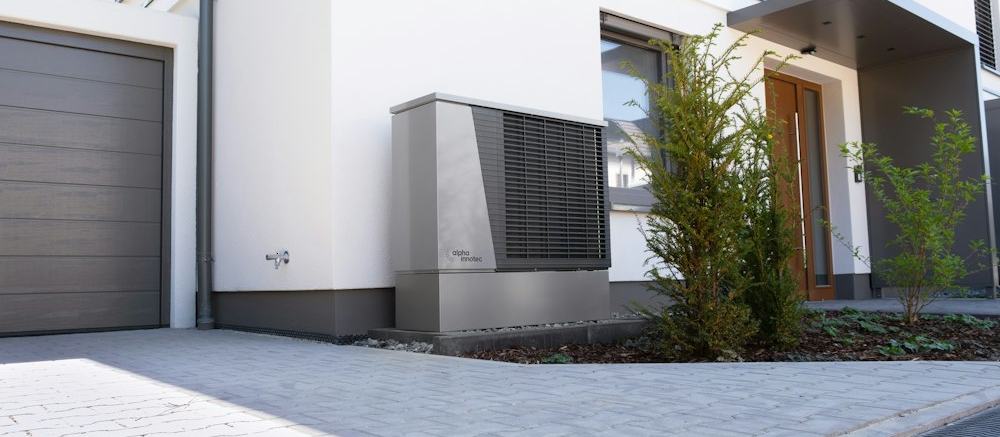
Heat pump hot water is the system most households are being pushed towards, and mostly for good reason. It heats water using a fraction of the electricity of a standard tank, federal and NSW scheme certificates knock a serious amount off the price, and the mild coastal climate here is close to ideal for the technology. Lake Macquarie Hot Water connects you with licensed plumbers across the city who install heat pump systems and quote with the certificates already applied.
We are a referral service, not an installer. The licensed hot water plumbers we work with do the installation, and where the unit is hard-wired, a licensed electrician handles the electrical work, as NSW requires.
How a heat pump heats your water
A heat pump works like a fridge in reverse. Instead of an element heating the water directly, a small compressor extracts heat from the surrounding air and transfers it into the tank. That is why it uses roughly a quarter to a third of the electricity of a conventional electric tank for the same hot water. In this climate, where winter air rarely gets truly cold, the units run efficiently year round. Paired with rooftop solar and a daytime timer, running costs drop lower again.
Salt air is the one thing to get right here
This is the local detail that decides whether your heat pump reaches its full life or dies early, and it is the thing a reader from outside the region gets wrong.
Lake Macquarie is Australia's largest coastal saltwater lake. It has a permanently open, trained entrance at Swansea and real tidal exchange, so it is salt water with the sea moving in and out, not a sheltered freshwater lake. Add the ocean along the eastern edge and the Belmont peninsula sitting on a narrow strip with salt water on both sides, and the result is that salt-laden air reaches a very large share of the housing here.
A heat pump lives outside. Its heat exchanger, fan assembly, casing, fasteners and brackets are all exposed to that air, and salt shortens the life of every one of them. None of that argues against a heat pump, because a mild, salty coastal climate is exactly where a heat pump earns the most. It argues for installing it properly:
- Shelter it from the salt-bearing wind. A position on the lee side of the house, or behind a wall or screen that still allows free airflow, is worth more than any other decision on the day.
- Get it off the ground. A proper stand or wall bracket keeps the base out of standing water and spray, and makes the underside serviceable.
- Keep sprinklers and hoses off it. Irrigation water hitting a heat exchanger does the same job as salt spray, only faster.
- Ask about corrosion protection. Coated heat exchangers and marine-grade fixings cost a little more and matter far more here than inland.
- Rinse it occasionally. A gentle fresh-water rinse of the casing and the coil face a couple of times a year is cheap maintenance on a salty street.
A good installer will walk the yard before deciding where the unit goes. If someone quotes a position over the phone without looking, ask why.
What it costs, and what the certificates do
As a typical Australian range, heat pump hot water systems run about $3,000 to $6,000 installed, ex GST, before incentives. Two streams then apply in NSW: federal Small-scale Technology Certificates (STCs) and certificates under the NSW Energy Savings Scheme (ESS). Both are claimed by the installer on eligible, approved models, and together they can cut thousands off the installed price. The installer quotes the net figure, so the price you are given already has the certificates taken out.
Two things matter for eligibility. The unit must be an approved high-efficiency model, and the installer must be set up under the schemes. The plumbers we refer quote eligible systems with the discount built in, so you are comparing real out-of-pocket numbers. Be wary of too-good-to-be-true offers from cold callers, because heavily discounted heat pump deals have attracted low-quality units and rushed installs.
Lifespan and running costs in plain terms
A good heat pump lasts roughly 10 to 15 years, and placement on a salty street is a large part of whether yours lands at the top or the bottom of that range. Running costs are the headline: for a typical family replacing an old electric tank on full-rate power, the electricity used for hot water drops by well over half. Against gas, the comparison depends on your tariffs, but for a home without other gas appliances, a heat pump usually wins once the gas supply charge is counted.
Is a heat pump right for your place?
- Space and noise. The unit needs outdoor space with airflow, and the compressor makes a low hum, similar to a quiet air conditioner. Good installers position it away from bedroom windows, yours and the neighbour's. On the tighter older blocks around the ridge and the villages, that can be the constraint that decides the position.
- Salt exposure. Covered above, and it is the local one that matters.
- Apartments. Space, noise rules and strata approval make heat pumps hard in most units. Houses and townhouses with a private courtyard or a side yard are the natural fit.
- An old electric tank being replaced. This is the classic upgrade, and there are a lot of candidates here. The pipework is already in place, and swapping a tired electric tank in an older home for a heat pump is usually a one-day job.
- A new-estate home. At Cameron Park, Wyee and the newer Cooranbong streets the existing system is often young, so the question is less urgent, but a heat pump is still worth pricing when the time comes.
If a heat pump does not suit, electric storage or gas remain solid options, and natural gas availability needs checking at your address first.
Licensing and installation
NSW requires a licensed plumber for the plumbing and a licensed electrician for hard-wired electrical connections. Scheme rules add their own accreditation requirements for the certificates to apply. Every installer we refer is licensed and quotes eligible systems where your site qualifies, and licences can be checked with NSW Fair Trading.
Get a fast quote for a heat pump with the certificates already applied.
Frequently asked questions
How much does a heat pump hot water system cost after the certificates?
Before incentives, typical Australian pricing is about $3,000 to $6,000 installed, ex GST. Federal STCs and NSW Energy Savings Scheme certificates can cut thousands off that, but the amounts vary by model, tank size and certificate prices at the time. The installer quotes the net figure, which is the only number worth comparing.
Will the salt air kill a heat pump?
Not if it is sited and specified properly, but it will certainly shorten the life of one that is not. The lake is salt water and the ocean is close, so the honest answer is that placement, mounting and corrosion protection matter more here than almost anywhere inland. Ask the installer where they plan to put it and why, and ask what the warranty says about coastal installations.
Do heat pumps work in winter?
Yes. Modern units heat water effectively through a Lake Macquarie winter, where overnight temperatures rarely go near freezing. Most units also have a backup element for cold snaps. Efficiency dips a little on cold mornings but running costs remain far below a standard electric tank.
Are heat pumps noisy?
They produce a low hum when running, roughly comparable to a quiet split-system air conditioner. Sensible placement, away from bedroom windows and boundary fences near neighbours' bedrooms, deals with it. Raise noise concerns at quote stage so the installer plans the position properly.
How long does installation take?
Replacing an existing electric storage tank with a heat pump usually takes most of a day, covering removal, plumbing, electrical connection and commissioning. A like-for-like heat pump swap is quicker.